Nothing to Hide? The Red Herring Argument Web Developers Must Answer
The 'nothing to hide' argument is a red herring. Privacy is about who chooses what you share — HTML10's accountable anonymity gives web developers the answer.
Read articleREAL Security · REAL Privacy · REAL Accountability
For independent web developers & agencies
You’re not competing for “website projects” anymore — you’re competing for trust. HTML10, also known as the InDoors Infrastructure, is the Places layer of the Quiet Enjoyment Infrastructure (QEI): the building code for habitable digital spaces. Developers who learn it first will own the next service line.
Field report
You’re not imagining it. The web development business has become more competitive, and client attention is harder to win. That’s the way it is with mature industries. But the next wave of clients won’t be shopping for pages — they’ll be shopping for safety.
A decade of templates, site builders, and commodity agencies flattened the price of “a website.” You can’t out-bid a theme. You can, however, occupy a category that nobody is selling yet.
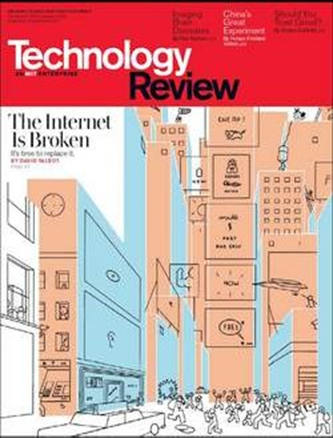
Status quoMIT Technology Review called it in 2005: the internet is broken. Two decades later — with AI in the hands of thieves and fraudsters — online fraud, theft, malware, and breaches are worse, and worse faster.
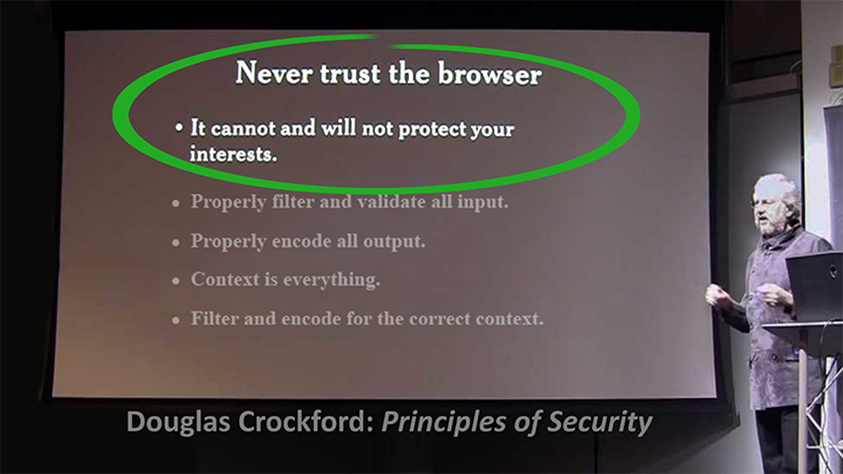
CompoundingHidden trackers, pixel beacons, and covert identity-reporting mechanisms made the web a hostile environment. Douglas Crockford’s rule — “Never trust the browser” — isn’t a joke; right now, it’s the platform’s actual spec.
The openingNecessity is the mother of change. The biggest necessity in the digital world is solving online fraud, theft, and surveillance. If you are part of that solution, you will have an abundance of new clients — because the demand is already moving toward rooms that can be trusted, not pages that get views.
Get the free ebook and map the opportunity →The blueprint — QEI 101
The Quiet Enjoyment Infrastructure (QEI) is a set of inventions, plans, and standards that can be universally deployed to provide online authenticity — measurable trustworthiness of assertions. Its premise: Identity Is The Foundation Of Security™. The twelve components fall into three groups that behave like the floors of a building.
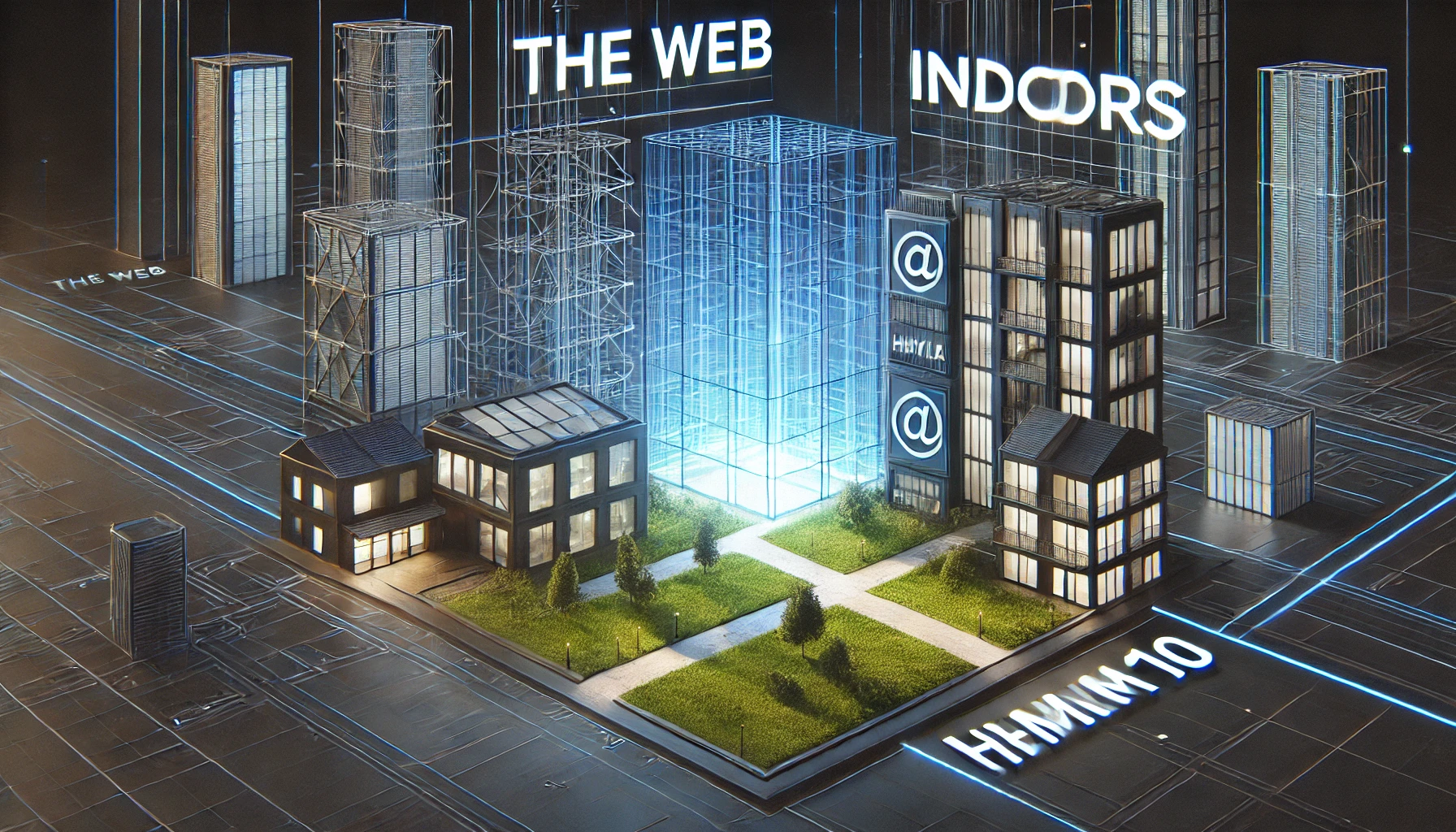
The internet used to be called the Information Highway — and the name still fits. Highways take us to bounded indoor spaces called buildings. So where are the digital buildings we reach through the web? They haven’t been built yet. That gap is the opportunity.
Who you are, verified
Measurably reliable identity, owned by the user and backed by digital signatures — the load-bearing wall of the entire system.
Where you live and work online
HTML10 builds these rooms. Its construction material is REML — Real Estate Markup Language — the code-native way to shape accountable, habitable digital premises instead of drive-by pages.
The shared language
One consistent vocabulary so systems can talk about identity, ownership, and trust the same way — no matter who built the room.
That last line is the breakthrough: most people assume privacy and accountability are opposites. In a well-built room, you don’t announce your whole biography — but people know who you are. HTML10 restores that balance to the digital world.
Construction sequence
You don’t need a big team or a venture check. You need to move before the category gets crowded — the same way early responsive-design shops did.
Walk their site the way you’d walk a property: Where do customers enter? What rooms exist? Where is the service counter? What happens when a session ends — do tenants leave, or vanish? Package it as a paid “digital building code audit,” not a freebie.
Authenticity, accountable anonymity, identity certificates, quiet enjoyment, InDoors Infrastructure. When clients start hearing these words, you want them to have heard them from you first. The free ebook covers all of it in one sitting.
The QEI specifications are public — no paywall, no vendor lock, no “contact sales.” Start with the components that shape the Places layer:
Digital building code audits; spatial UX and environment design; persistent identity layers; and occupancy intelligence — measuring dwell, trust flow, and return visits instead of bounce rate. Each one is a retainer-shaped conversation waiting to happen.
Join the Authenticity Alliance as an enterprise or individual member, take the Flight to the Authentiverse, and put your stake in the ground while the category is still being defined.
What changes
HTML10 doesn’t add a feature to your existing product — it changes the unit you sell.
Evidence board
These are public reports and open documents, not marketing claims. Where a figure has a source, the source is named. Where a standard is still in draft, we say so plainly.
“Never trust the browser.”
— Douglas Crockford, on why the rendering layer was never designed for accountability
Honest limits: the QEI ecosystem is in its early draft wave. No external traction, SLA performance, or customer-count claims appear on this page. What is public is the standard, the cooperative, and the path — which is exactly what an early market looks like.
Free ebook
Silicon Valley, the NSA, and the botnet builders intend to own you. Escape the Plantation is the escape plan — the free book that explains the quiet enjoyment revolution and the infrastructure being built to restore real security, real privacy, and real accountability.
The 12-part series
One component at a time, published for developers who move early. Start with the first parts — the red-herring argument, the measurable opportunity, and the growth area your agency can claim.
The 'nothing to hide' argument is a red herring. Privacy is about who chooses what you share — HTML10's accountable anonymity gives web developers the answer.
Read articleThe broken web is finally measurable. HTML10 and QEI give web developers a trust layer they can build, measure, and bill for. Here's how to claim the opportunity.
Read articleThe web was a highway; the next growth area for agencies is InDoors Infrastructure—building habitable digital spaces clients can occupy, not just visit.
Read articleMore parts of the series publish here as they are released. Want the next one in your inbox? Get the free ebook and start with the full vocabulary.
Punchlist
No. Think of it as a building code — standards, methods, and procedures for constructing habitable digital spaces. The construction material is REML (Real Estate Markup Language); you use it with the tools and markup skills you already have.
The metaverse was a destination without a floor plan. HTML10 and QEI are the inverse: they start with building codes, identity, and accountability — the unglamorous parts that make a space worth staying in.
Independent developers are exactly who builds the InDoors layer. The Authenticity Alliance is a cooperative rather than a platform monopoly — each enterprise solves one inauthenticity problem in its own market. You can join as an individual member, and customers of any member enterprise automatically become eligible to join too.
Start with the QEI Tectonics and Professional Licensing PDFs on html10.org, then grab the free book. If you want the feel of the finished space, take the Flight to the Authentiverse.
Fair question. The specifications, PDFs, and the cooperative are public right now; the ecosystem is in its early draft era. That’s precisely the point — the gap between the broken web and the standards that fix it is this decade’s early-mover window.
Final call
Get the free book. Read the blueprints. Then go build the first room — before the market finishes labeling the demand.